
Exploring the complex world of mobile technology
The constant evolution of smart digital ecosystems

Mobile productivity power
Maximizing efficiency on premium handheld devices
Foldable OLED screens and high-refresh-rate displays transform the traditional smartphone into a versatile mobile workstation for professionals. Android multitasking capabilities allow users to run split-screen applications, while adaptive chipsets manage battery life intelligently. The convergence of hybrid tablet performance and phone portability ensures that remote creative workflows remain uninterrupted regardless of physical location.
iOS ecosystem mastery
Unlocking advanced features of the iPhone

Calibrating battery health charging cycles
Optimized charging learns routines to mitigate chemical aging of the lithium-ion cell permanently.

Utilizing haptic touch shortcuts
Long-pressing icons reveals contextual menus for instant access to specific iOS app functions.

Personalizing home screen smart widgets
Stacking informative panels allows for rapid data visualization without cluttering the Retina display.
The backbone of mobile high-performance computing
Hardware component synergy
Enhancing workflow through mobile software solutions

SaaS cross-platform productivity apps
Cloud synchronization ensures files remain accessible across desktop and Android interfaces instantly.

Mobile open-source development tools
Collaborative coding environments provide robust frameworks for building native applications with community support.

4K media editing software engines
GPU acceleration reduces rendering times significantly for video projects on pro tablets.
Data privacy defense
Implementing encrypted digital security protocols
In an era of persistent malware threats, protecting personal data requires a multi-layered defense. AES encryption at rest prevents unauthorized interception of confidential information during digital exchanges. Biometric authentication adds verification, while regular firmware patching closes vulnerabilities that hackers exploit. Maintaining digital hygiene involves vigilance against phishing and ensuring network connections utilize VPN secure protocols.

Multi-factor authentication setup
Adding a secondary verification step reduces the risk of compromised account access significantly.

Automated cloud system backups
Regular snapshots ensure critical data recovery in case of hardware failure or ransomware.

Secure virtual private network usage
Tunneling traffic through encrypted servers masks IP addresses protecting privacy on public hotspots.

Antivirus and malware detection systems
Real-time scanning tools neutralize suspicious scripts before they compromise operating system integrity.
Console gaming gear
Next-generation console gaming and immersion


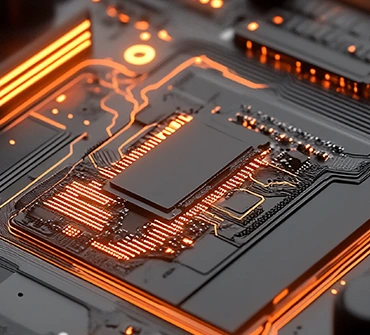

Building a future-proof PC setup
Investing in modular components extends the lifespan of custom desktop builds, allowing users to upgrade parts like the GPU or DDR RAM without replacing the system. This approach balances performance with cost efficiency. Staying informed about driver compatibility ensures legacy devices function securely.